

Essential Safety Tips for Using Boom Lifts
Boom lifts, also known as cherry pickers, are essential tools for reaching high places safely and efficiently. Whether you’re renting a boom lift or considering a towable boom lift for sale, safety should always be your top priority. In this guide, we’ll cover the crucial safety tips you need to know to operate boom lifts safely.
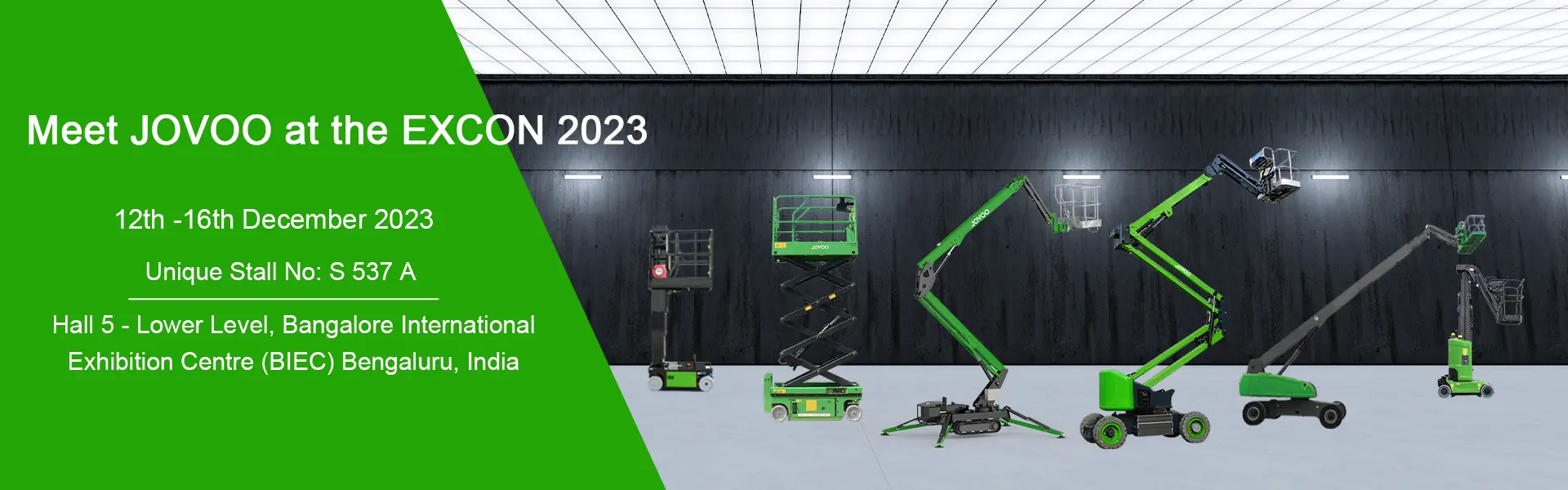
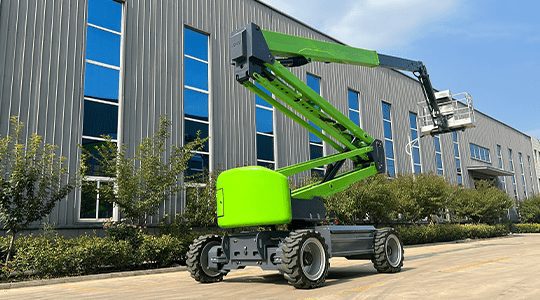
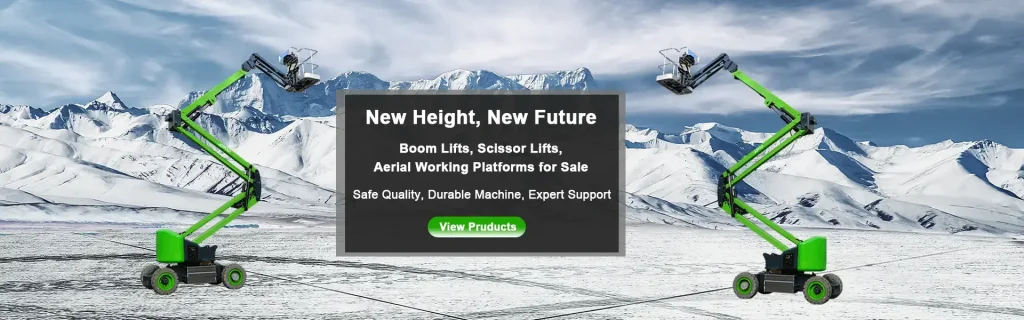
Boom lifts are versatile pieces of equipment used in various industries, from construction to maintenance. They consist of a platform or bucket attached to a hydraulic arm, which can extend vertically and sometimes horizontally. This design allows workers to access hard-to-reach areas with ease. However, with great reach comes the need for great caution.
Types of Boom Lifts
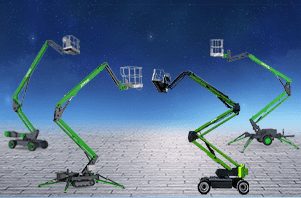
Before diving into safety tips, it’s important to understand the different types of boom lifts available. There are two main categories:
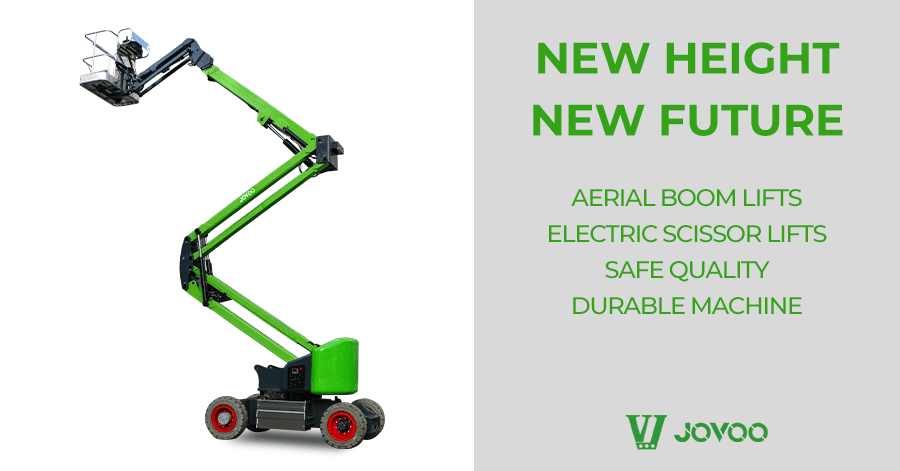
- Articulating Boom Lifts: These have multiple joints, allowing for flexibility in reaching around obstacles.
- Telescopic Boom Lifts: These extend straight out, offering greater horizontal reach.
Each type has its unique features and safety considerations.
Pre-Operation Safety Checks
Before using a boom lift, conducting thorough safety checks is crucial. Here’s a checklist to ensure everything is in order:
Inspect the Equipment
- Visual Inspection: Check for any visible damage or wear on the lift, such as cracks, leaks, or rust.
- Controls and Safety Devices: Test all controls to ensure they function correctly. Verify that safety devices like emergency stop buttons are operational.
Check the Worksite
- Ground Stability: Ensure the ground is stable and level. Avoid operating the lift on uneven or slippery surfaces.
- Obstacles: Identify any potential obstacles, such as power lines, trees, or other equipment, and plan your movements accordingly.
Safe Operation Practices
Operating a boom lift safely involves following best practices and being aware of potential hazards. Here’s what you need to know:
Proper Training
- Certified Training: Only trained and certified individuals should operate a boom lift. Proper training includes understanding the equipment’s controls, safety features, and emergency procedures.
- Familiarity with the Lift: Even if certified, operators should familiarize themselves with the specific model they are using.
Personal Protective Equipment (PPE)
- Harness and Lanyard: Wear a safety harness attached to a designated anchor point on the lift.
- Helmet and Safety Gear: Use a hard hat, safety glasses, and gloves to protect against potential hazards.
Operating the Lift
- Load Capacity: Never exceed the lift’s load capacity. Overloading can lead to instability and accidents.
- Movement Awareness: Be aware of your surroundings and move the lift slowly and carefully. Avoid sudden movements that could cause the lift to tip.
Emergency Procedures
Accidents can happen despite taking precautions. Knowing what to do in an emergency can make all the difference.
Emergency Stop
- Emergency Controls: Familiarize yourself with the lift’s emergency stop controls and know how to use them.
Ground Support
- Communication: Maintain communication with ground personnel who can assist in case of an emergency.
- Rescue Plan: Have a rescue plan in place, including how to lower the lift manually if necessary.
Maintenance and Inspection
Regular maintenance and inspection are key to ensuring the boom lift remains safe to use.
Routine Maintenance
- Scheduled Maintenance: Follow the manufacturer’s guidelines for routine maintenance, including checking hydraulic systems and lubricating moving parts.
- Professional Inspection: Have a qualified technician inspect the lift periodically to identify any potential issues.

Renting vs. Buying a Boom Lift
Deciding whether to rent or purchase a boom lift depends on your needs and frequency of use.
Boom Lift Rental
- Cost-Effective: Renting can be more cost-effective for short-term projects.
- Variety: Rental companies often offer a variety of lifts, allowing you to choose the right one for each project.
Boom Lift for Sale
- Long-Term Use: If you frequently need a boom lift, purchasing might be more economical in the long run.
- Customization: Owning a lift allows for customization to better suit your specific needs.
Conclusion
Safety is paramount when using boom lifts. By following these essential safety tips and conducting regular checks and maintenance, you can ensure a safe working environment. Whether you’re considering boom lift rental or a towable boom lift for sale, remember that safety starts with proper training and awareness. Prioritize safety to make the most of this versatile equipment.
Remember, a safe worksite is a productive worksite. Stay informed, stay prepared, and always prioritize safety when operating boom lifts.


